
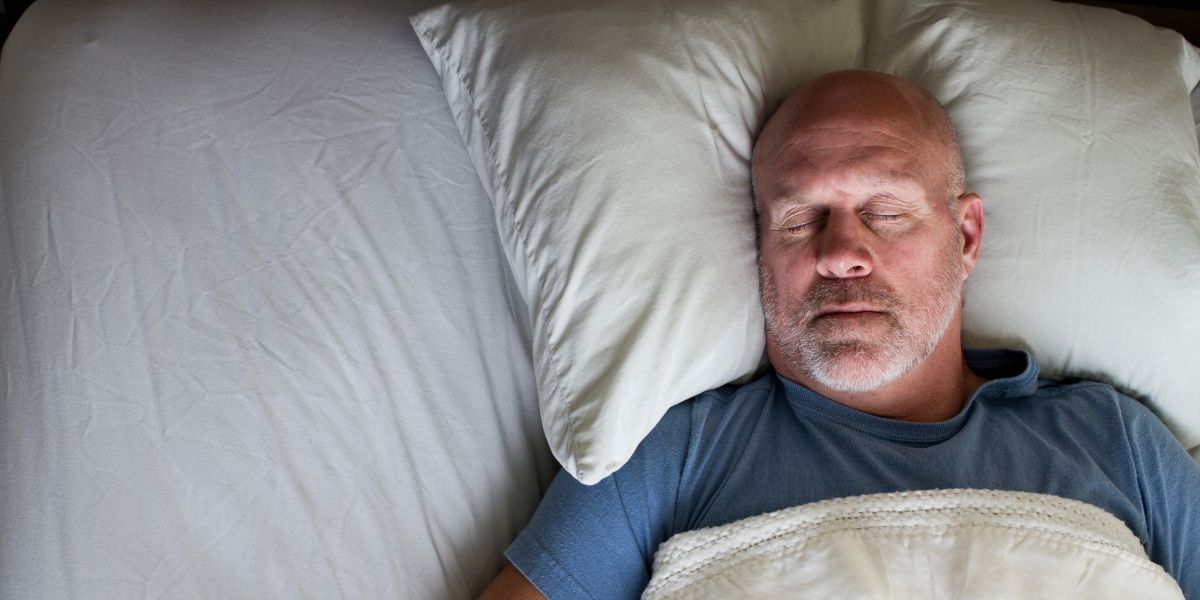
Research suggests a strong bidirectional relationship between PTSD and sleep apnea. PTSD symptoms raise the risk of sleep apnea and make breathing issues worse during sleep. Sleep apnea, in turn, heightens PTSD symptoms, leading to poor sleep and declining mental health.
So how exactly do these conditions interact? And what can be done to break the cycle?
PTSD Contributes to Sleep Apnea
People with PTSD face a much higher risk of developing obstructive sleep apnea (OSA). A study found that 69% of military veterans with PTSD also had sleep apnea but didn’t know it[1].
Airway collapse during sleep isn’t just a coincidence. PTSD changes how the body and brain control breathing during sleep. Stress responses, muscle tension, and sleep disruptions make apnea more likely.
1. Hyperarousal Blocks Normal Breathing During Sleep
PTSD keeps the body stuck in high alert, as if danger never fades. Stress responses stay active even at night.
- Muscles in the throat stay tight, which restricts airflow.
- Stress hormones like cortisol remain high and disrupt normal breathing.
- Sleep stays light and broken, preventing the body from fully recovering.
The nervous system stays overactive, keeping muscles from relaxing. Airflow becomes unstable, causing repeated breathing problems during sleep.
2. PTSD Triggers Weight Gain, Raising the Risk of Sleep Apnea
Extra weight increases the chance of sleep apnea. PTSD makes weight control much harder.
- Stress and anxiety fuel cravings for high-calorie, high-carb foods.
- Low energy and depression make exercise feel impossible.
- Poor sleep disrupts hunger hormones, increasing appetite and fat storage.
Gaining weight also adds fat around the neck, which puts pressure on the airway during sleep. A study found that a 10% increase in body weight raises the risk of sleep apnea sixfold.
3. PTSD Disrupts Sleep, Making Breathing Unstable
PTSD throws off normal sleep patterns. Light sleep lasts too long, while deep and REM sleep get cut short. The body misses out on the stages needed for recovery.
- Less deep sleep weakens muscle control in the throat, increasing the chance of airway collapse.
- Frequent wake-ups stop the body from settling into a steady breathing pattern.
Poor sleep and constant stress worsen sleep apnea or increase the risk of developing it. The body never gets a full reset, keeping breathing unstable throughout the night.
Sleep Apnea Makes PTSD Worse
OSA worsens PTSD symptoms, making sleep less effective. Daytime exhaustion, mood swings, and trouble thinking become more severe.
1. Oxygen Deprivation Triggers More Hyperarousal
Every apnea episode reduces oxygen levels in the brain (hypoxia). This causes:
- Frequent nighttime awakenings due to the body gasping for air.
- Increased activation of the amygdala, the brain’s fear center.
- More stress hormone release (cortisol and adrenaline), reinforcing PTSD hypervigilance.
This cycle strengthens PTSD symptoms, making it harder for the brain to regulate emotions, suppress fear responses, and process trauma.
2. Worsened Mood, Irritability, and Emotional Instability
Deep sleep is important in mood regulation and emotional resilience. When OSA repeatedly disrupts sleep:
- Irritability and aggression increase. A study linked OSA higher risk of mood disorders like depression and anxiety (2,3).
- Emotional control weakens. The prefrontal cortex, responsible for rational thinking, suffers from reduced oxygen and blood flow.
- Anxiety and depression worsen. Studies show untreated sleep apnea doubles the risk of major depressive disorder.
For people with PTSD, this means more intense mood swings, emotional outbursts, and difficulty managing daily stressors.
3. Memory and Cognitive Decline Intensify PTSD Symptoms
Sleep apnea damages memory, focus, and decision-making. PTSD already causes cognitive difficulties, and OSA further worsens:
- Short-term memory loss due to reduced REM sleep.
- Brain fog and poor concentration from sleep fragmentation.
- Slower reaction times and impaired judgment.
PTSD Patients Are Often Undiagnosed for Sleep Apnea
Up to 80% of people with sleep apnea are undiagnosed. Many go undiagnosed for years. PTSD patients face an even higher risk of missing a diagnosis.
1. Symptoms Overlap with PTSD
Many symptoms of sleep apnea—fatigue, insomnia, nightmares, and daytime irritability—mimic PTSD symptoms. This leads both patients and doctors to:
- Attribute sleep issues solely to PTSD.
- Overlook the need for a sleep study to check for OSA.
2. PTSD Patients Are Less Likely to Report Sleep Problems
Many PTSD sufferers assume their poor sleep is “normal” given their trauma history. They may not recognize signs of sleep apnea, such as:
- Loud snoring
- Gasping for air at night
- Excessive daytime sleepiness
Without proper screening, OSA remains undiagnosed and untreated, worsening PTSD symptoms.
3. Barriers to CPAP Therapy Use
Even when diagnosed, PTSD patients often struggle with CPAP compliance due to:
- Feelings of suffocation from wearing a mask.
- Increased anxiety due to past trauma linked to restricted breathing.
- Discomfort and frustration leading to non-adherence.
Treatment Options for PTSD and Sleep Apnea
A combination of medical, behavioral, and therapeutic approaches is the most effective way to restore sleep and reduce PTSD symptoms.
1. CPAP Therapy: A Game-Changer for PTSD Patients
Continuous positive airway pressure (CPAP) therapy is the gold standard for treating sleep apnea. It prevents airway collapse, reduces nighttime oxygen drops, and restores deep sleep.
- Regular CPAP use reduces PTSD nightmares and improves mood stability.
- CPAP therapy also reduced PTSD by 75% (4).
- Non-compliance is high due to discomfort, but mask adjustments, heated humidifiers, and ramp features improve adherence.
CPAP isn’t the only option for PTSD patients with sleep apnea. Oral appliances, positional therapy, or the proven effective for moderate to severe treatment, Inspire therapy (a small implanted device) can also help.
2. Trauma-Focused Therapy to Reduce PTSD Symptoms
Cognitive Processing Therapy (CPT) and Eye Movement Desensitization and Reprocessing (EMDR) are evidence-based PTSD treatments. Both help reduce flashbacks, hyperarousal, and emotional dysregulation. When combined with sleep apnea treatment, results are significantly improved.
3. Medication Adjustments for Better Sleep
Some medications used for PTSD may worsen sleep struggles. A sleep specialist can evaluate whether medication adjustments can improve both conditions.
4. Lifestyle Changes to Support Recovery
Simple changes can significantly improve both PTSD and sleep apnea symptoms:
- Regular exercise helps reduce weight, improves sleep quality, and lowers stress.
- Diet modifications (reducing processed foods, alcohol, and caffeine) help regulate metabolism.
- Consistent sleep schedules improve overall sleep patterns and reduce apnea severity.
5. Transcranial Magnetic Stimulation (TMS) for PTSD Relief
TMS is an FDA-approved, non-invasive therapy that stimulates brain regions involved in PTSD. It has been shown to:
- Reduce PTSD-related hyperarousal and emotional instability.
- Improve sleep quality by calming an overactive fear response.
- Work without medication, making it ideal for those who struggle with side effects.
When combined with sleep apnea treatment, the results are even better.
Sleep and Feel Better. Contact Us
TMS Institute of Arizona helps people with PTSD and sleep apnea break the cycle of exhaustion and mental strain. Our team delivers FDA-approved TMS therapy and sleep treatments that work.
- Proven TMS therapy for PTSD
- Effective sleep apnea treatment options
- Experienced professionals focused on your recovery
- In-network with Tricare for veterans and active-duty personnel
Sleep struggles and PTSD don’t fix themselves. Leaving one untreated can make the other worse. Set up a consultation and start feeling like yourself again.
References
- Chinoy, E. D., Carey, F. R., Kolaja, C. A., Jacobson, I. G., Cooper, A. D., & Markwald, R. R. (2022). The bi-directional relationship between post-traumatic stress disorder and obstructive sleep apnea and/or insomnia in a large U.S. military cohort. Sleep Health, 8(6), 606–614. https://doi.org/10.1016/j.sleh.2022.07.005
- Li, M., Zou, X., Lu, H., Li, F., Xin, Y., Zhang, W., Li, B., & Wang, Y. (2023). Association of sleep apnea and depressive symptoms among US adults: a cross-sectional study. BMC Public Health, 23(1). https://doi.org/10.1186/s12889-023-15358-8
- Fariborz Rezaeitalab, Fatemeh Moharrari, Saberi, S., Hadi Asadpour, & Fariba Rezaeetalab. (2014). The correlation of anxiety and depression with obstructive sleep apnea syndrome. Journal of Research in Medical Sciences : The Official Journal of Isfahan University of Medical Sciences, 19(3), 205. https://pmc.ncbi.nlm.nih.gov/articles/PMC4061640/
- Collen, J. F., Lettieri, C. J., & Hoffman, M. (2012). The Impact of Posttraumatic Stress Disorder on CPAP Adherence in Patients with Obstructive Sleep Apnea. Journal of Clinical Sleep Medicine, 08(06), 667–672. https://doi.org/10.5664/jcsm.2260