
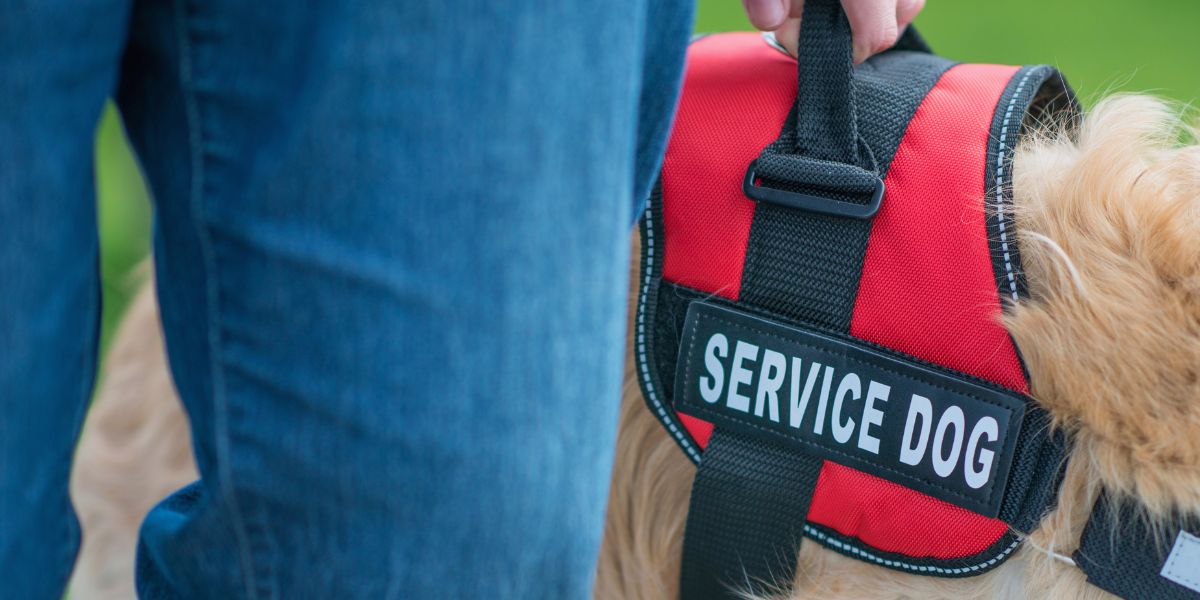
Service dogs do more than offer companionship. Highly trained to support mental health, they wake veterans from nightmares and calm panic attacks. Many feel safer and more in control with a service dog by their side.
But do they actually improve PTSD symptoms? A new study found that veterans with service dogs had less anxiety, fewer PTSD symptoms, and a better quality of life in just three months.
How Do PTSD and Mental Health Challenges Affect Veterans?
An estimated 11-20% of veterans from Operations Iraqi Freedom (OIF) and Enduring Freedom (OEF) deal with PTSD each year. Among Vietnam War veterans, 30% experience PTSD at some point in life.
Combat, life-threatening situations, and exposure to death take a heavy mental toll. Many veterans carry those experiences long after leaving the battlefield. Without proper care, symptoms may get worsen over time.
PTSD Affects Veterans’ Mental Health
PTSD isn’t just about bad memories. Trauma changes how the brain works.
- Always on High Alert – Many veterans with PTSD feel stuck in survival mode. Loud noises, crowded spaces, or unexpected triggers can make them feel unsafe. The brain’s fight-or-flight response stays on, leading to constant stress, irritability, and trouble sleeping.
- Depression and Feeling Numb – PTSD and depression often go hand in hand. Nearly 50% of veterans with PTSD also struggle with major depression. Many feel hopeless, guilty, or disconnected from family and friends.
- Turning to Alcohol or Drugs – Around 20% of veterans with PTSD develop substance abuse issues. Alcohol and drugs become an escape, but they also lead to addiction, health problems, and legal trouble.
- Avoiding People and Places – PTSD makes veterans pull away from family, friends, and social situations. Many avoid anything that reminds them of trauma, leading to loneliness, strained relationships, and difficulties keeping a job.
The Stakes Are High
The rate of self-harm among U.S. veterans is 1.5 times higher than the general population. Every day, an average of 17 veterans lose their lives due to mental health crises.
PTSD changes how veterans think, feel, and function in daily life. Without proper treatment, these challenges can become overwhelming and impact overall well-being.
What Does the New Study Say About Service Dogs and PTSD?
A new study shows that service dogs can significantly lower PTSD symptoms, anxiety, and depression in veterans. Research highlights a clear link between trained service dogs and better mental health.
Veterans with service dogs reported noticeable improvements in daily life. Those without a service dog saw little to no change. Experts call this one of the most in-depth studies on service dogs for PTSD. Findings suggest service dogs can be a valuable addition to traditional treatments.
How Was the Study Done?
Researchers studied 156 veterans diagnosed with PTSD to see how service dogs impact mental health. Participants were split into two groups:
- Intervention Group or Service Dog Group (81 veterans) – Received a trained psychiatric service dog along with their regular PTSD treatment.
- Control Group or Waitlist Group (75 veterans) – Stayed on the waiting list for a service dog and continued their usual PTSD care.
Mental health changes were measured before the study began and again after three months. Researchers looked at:
- PTSD symptom severity – Veterans rated their own symptoms using the PTSD Checklist (PCL-5), which scores PTSD from 0 to 80 (higher scores mean worse symptoms).
- Clinician evaluations – Mental health professionals assessed PTSD severity using the Clinician-Administered PTSD Scale (CAPS-5).
- Other mental health factors – Depression, anxiety, social isolation, and quality of life were also analyzed.
Findings revealed clear differences between veterans with service dogs and those still waiting.
What Were the Key Findings?
After three months, veterans in the service dog group showed significant improvements compared to the control group:
- PTSD symptom severity dropped – Veterans with service dogs had an 11.5-point reduction in PTSD symptoms (PCL-5 scores).
- Clinician-rated PTSD symptoms improved – CAPS-5 scores were 7 points lower in the service dog group.
- Depression levels decreased – Service dog partners had lower depression scores (3.3-point reduction).
- Anxiety levels dropped significantly – Veterans with service dogs reported 4.4 points lower anxiety than those on the waitlist.
- Social isolation decreased – Participants with service dogs were less likely to feel disconnected from others (Odds Ratio: 0.34).
Why Do These Findings Matter?
Veterans have long pushed for better access to service dogs as part of PTSD treatment. But until now, research on their effectiveness has been limited. This study provides strong clinical proof that psychiatric service dogs play a real role in improving veterans’ mental health.
- More than just companionship – These dogs actively help veterans manage PTSD by stopping panic attacks, waking them from nightmares, and providing a sense of safety.
- Faster symptom relief – Some PTSD treatments take months to show progress. Veterans in this study felt real improvements in just three months.
- Supports, not replaces, other treatments – Service dogs don’t replace therapy or medication, but they add an effective, drug-free layer of support.
How Do Service Dogs Help With PTSD?
Psychiatric service dogs are trained to perform specific tasks that ease PTSD symptoms.
- Stopping flashbacks and dissociation – Nudging, licking, or applying pressure to bring veterans back to reality.
- Recognizing rising anxiety – Sensing stress levels and reminding their handler to use calming techniques.
- Creating space in crowds – Standing between their handler and others to prevent feelings of being overwhelmed.
- Providing a sense of calm – Lowering stress hormones and helping veterans feel more grounded.
- Waking veterans from night terrors – Gently interrupting nightmares to prevent further distress.
Beyond these tasks, the bond between a veteran and their service dog builds trust, reduces isolation, and encourages social interaction, all of which support long-term recovery.
Limitations of the Study
No study is perfect, and researchers identified a few limitations in their findings:
- Participants were not randomly assigned. Veterans received service dogs based on when they applied, not through a random selection process. However, researchers adjusted for this by comparing veterans in both groups to ensure similarities.
- Some data relied on self-reporting. PTSD symptoms, anxiety, and depression were measured using questionnaires filled out by veterans. While professionals assessed PTSD severity, self-reported answers can sometimes be influenced by personal perception.
- Results may not apply to all veterans with PTSD. The study focused on veterans who actively sought service dogs. Those who haven’t considered this option might respond differently.
- Only one service dog organization was involved. All dogs came from the same provider, which means training consistency was high. But results could vary if service dogs were trained by different organizations with different methods.
Are There Challenges to Owning a Service Dog?
Veterans need to be ready for the commitment and challenges that come with caring for a highly trained dog.
1. Cost of Care
Even when a nonprofit provides the dog for free, ongoing expenses add up. Veterans must cover:
- Vet bills – Checkups, vaccines, and emergency care.
- Food and grooming – High-quality food, baths, and nail trims.
- Training upkeep – Regular practice to keep skills sharp.
Annual costs can range from $1,000 to $2,500 or more, depending on the dog’s needs.
2. Access Issues in Public Places
Service dogs are legally protected under the Americans with Disabilities Act (ADA), but not everyone understands the law. Veterans may face:
- Being denied entry at businesses or public places.
- Unwanted attention and intrusive questions.
- People misunderstanding what service dogs actually do.
Handling these issues requires confidence, patience, and knowing legal rights.
3. Daily Care and Responsibility
Caring for a service dog is a full-time commitment. Veterans must:
- Take them on walks and keep them mentally engaged.
- Bathe, brush, and maintain proper hygiene.
- Keep up with feeding schedules and vet visits.
For veterans with severe PTSD symptoms, these daily tasks can sometimes feel overwhelming. However, for many, the benefits outweigh the challenges, making the effort well worth it.
What Other PTSD Treatment Options Exist for Veterans?
Service dogs provide valuable support, but they aren’t a stand-alone solution. The best results come from combining them with proven PTSD treatments.
1. Therapy-Based Treatments
- Cognitive Behavioral Therapy (CBT) – Helps veterans identify and change negative thought patterns that reinforce PTSD symptoms.
- Prolonged Exposure Therapy (PE) – Encourages veterans to face and process trauma-related fears in a controlled setting, reducing avoidance behaviors.
- Eye Movement Desensitization and Reprocessing (EMDR) – Uses guided eye movements to help the brain reprocess traumatic memories, making them less distressing over time.
2. Medication Options
- Selective Serotonin Reuptake Inhibitors (SSRIs) – Medications like Zoloft and Paxil can help regulate mood and reduce PTSD symptoms.
- Prazosin – Often prescribed to reduce nightmares and improve sleep for veterans with PTSD.
- Anti-Anxiety Medications – Can provide short-term relief but must be used with caution due to high addiction risks.
3. Emerging and Alternative Treatments
- Transcranial Magnetic Stimulation (TMS) – A non-invasive, FDA-approved treatment that uses magnetic pulses to stimulate brain regions linked to PTSD and depression. Unlike medication, TMS has no systemic side effects and doesn’t require ongoing prescriptions. Research shows that TMS can reduce PTSD symptoms, improve mood, and enhance cognitive function in veterans who haven’t responded well to other treatments. Many veterans report feeling more in control, less anxious, and better able to cope with daily life after a full course of TMS therapy.
- Mindfulness and Meditation – Helps veterans regain control over their stress responses, lower anxiety, and improve emotional regulation.
Why Should Veterans Contact the TMS Institute of Arizona for PTSD Treatment?
Getting a service dog can take months or even years. Traditional treatments don’t always work. But relief shouldn’t feel out of reach.
We provide a better way:
- Medication-Free TMS Therapy – FDA-approved, non-invasive, and designed to target PTSD symptoms at the source. No daily pills, no major side effects.
- Veteran-Centered Care – Our team understands the unique challenges veterans face and tailors treatment to individual needs.
- Tricare-Approved – We’re in-network, making treatment affordable and accessible for military personnel.
- Fast, Effective Results – Many veterans feel real improvement within weeks, not months.
- Ongoing Support – We don’t just treat symptoms. We help veterans regain control, feel stronger, and move forward with confidence.
You’ve served your country. Now, let us help you. Contact us at the TMS Institute of Arizona.
References
Leighton, S. C., Rodriguez, K. E., Jensen, C. L., MacLean, E. L., Davis, L. W., Ashbeck, E. L., Bedrick, E. J., & O’Haire, M. E. (2024). Service Dogs for Veterans and Military Members With Posttraumatic Stress Disorder. JAMA Network Open, 7(6), e2414686–e2414686. https://doi.org/10.1001/jamanetworkopen.2024.14686
VA.gov | Veterans Affairs. (2020). Va.gov. https://www.ptsd.va.gov/understand/related/substance_abuse_vet.asp
Reisman, M. (2016). PTSD Treatment for Veterans: What’s Working, What’s New, and What’s Next. Pharmacy and Therapeutics, 41(10), 623. https://pmc.ncbi.nlm.nih.gov/articles/PMC5047000/