If you’re struggling with depression or other mood disorders and haven’t found success with medications or therapy, TMS may be the breakthrough treatment you’ve been waiting for. At the TMS Institute of Arizona’s Scottsdale location, we specialize in non-invasive, drug-free depression treatment using FDA-approved Transcranial Magnetic Stimulation (TMS). Our compassionate team is here to support your mental health journey with personalized care in a calm, welcoming environment.

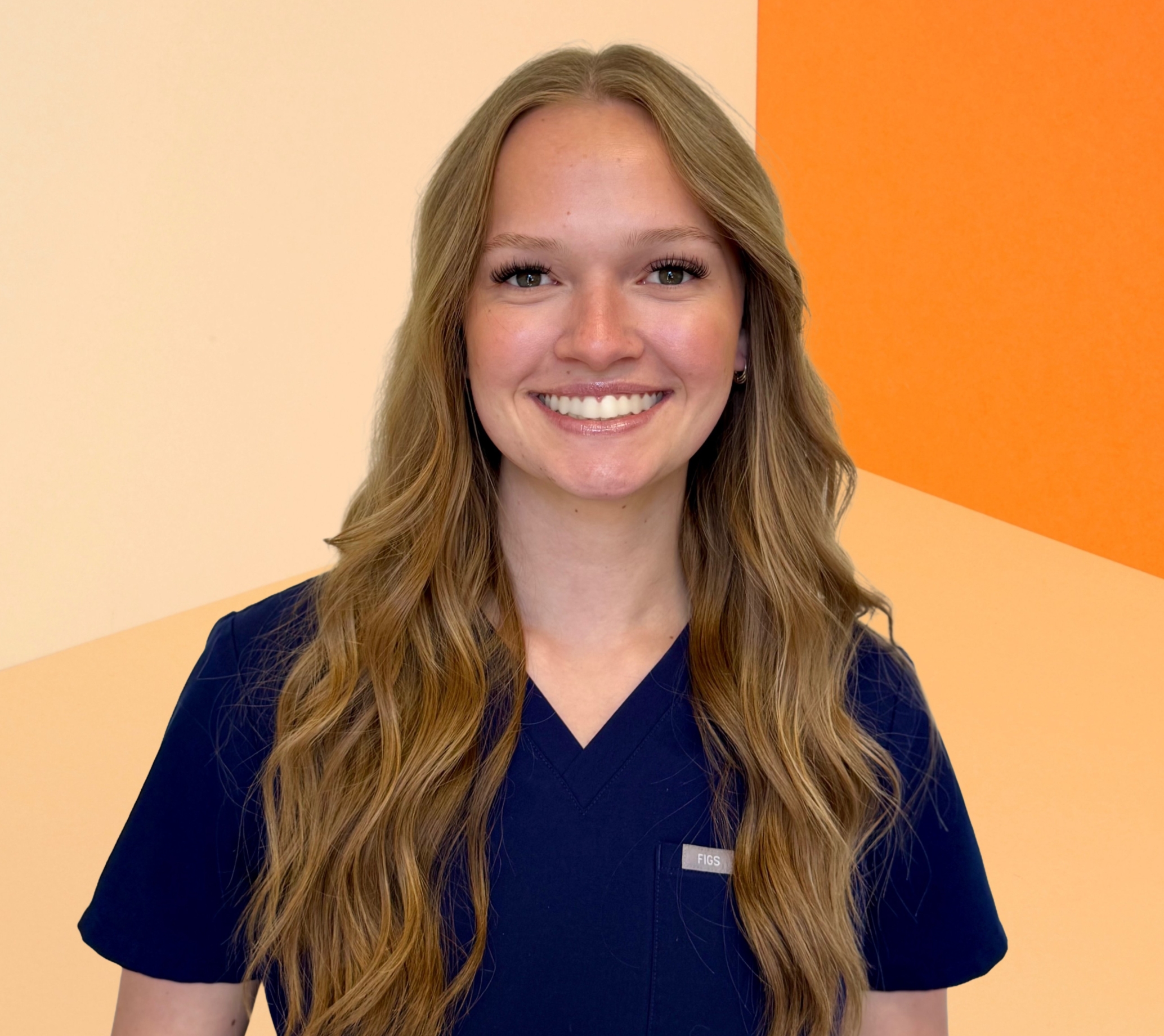
Our Scottsdale Providers

Why Choose TMS Institute of Arizona in the Greater Phoenix Area?

  • Experienced, compassionate team with board-certified psychiatrists and trained TMS technicians
  • State-of-the-art equipment and personalized protocols
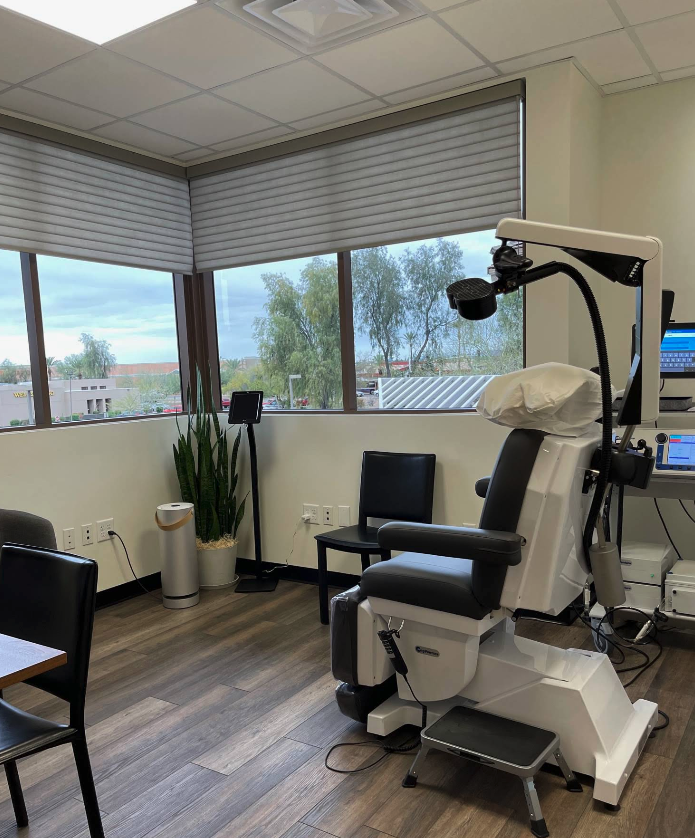
  • Comfortable, private treatment rooms designed with your healing in mind
  • Local expertise – proudly serving Scottsdale, Fountain Hills, and the surrounding communities for years

Our patients consistently report high satisfaction, improved quality of life, and a renewed sense of hope after completing their TMS treatment.

Finding Our Phoenix Area TMS Clinic

Our Scottsdale clinic is located in a central, easily accessible area serving Phoenix, North Scottsdale, Paradise Valley, Fountain Hills, and the greater Northeast Valley. We’re just off Loop 101 and Shea Boulevard, providing a convenient location for both new and returning patients.

Clinic Details:

  • Address: 9746 N 90th Pl, Ste 207 Scottsdale, AZ 85258
  • New Patients: 480-448-2916 
  • Office: 480-668-3599
  • Hours: Monday–Friday, 8:00 AM to 5:00 PM
  • Parking: Free, on-site parking available
  • Accessibility: Wheelchair accessible with private treatment rooms

We encourage prospective patients to first speak to our new patient coordinator to determine if TMS is right for them.
TMS Therapy FAQ

TMS therapy is a non-invasive procedure that uses magnetic fields to stimulate underactive areas of the brain linked to mood regulation, especially the prefrontal cortex. It’s primarily used to treat major depressive disorder (MDD) but is also being explored for OCD, anxiety, PTSD, and chronic pain.

Unlike medications, which circulate throughout your body, TMS targets the brain directly without systemic side effects. It is non-sedative, non-invasive, and typically well-tolerated.

Transcranial Magnetic Stimulation (TMS) is rooted in well-established principles of neuroplasticity—the brain’s ability to reorganize itself by forming new neural connections. The therapy uses pulsed magnetic fields to stimulate targeted regions of the cerebral cortex, especially the left dorsolateral prefrontal cortex (DLPFC), which is often underactive in individuals with major depressive disorder (MDD).

The Mechanism of Action

A figure-8 magnetic coil, positioned gently on the scalp, generates highly focused magnetic pulses that penetrate about 2–3 centimeters into the brain tissue. These pulses induce small electrical currents that depolarize neurons in the target area, promoting synaptic activity and enhancing functional connectivity across mood-related brain networks.

Over time, repeated stimulation is believed to “rewire” these circuits, improving emotional regulation and alleviating depressive symptoms.

Backed by Clinical Research

TMS is FDA-approved and supported by decades of clinical studies. For example:

  • A landmark NIMH-sponsored trial (George et al., 2010) demonstrated significantly greater remission rates with TMS compared to placebo in patients with treatment-resistant depression.
  • Meta-analyses confirm response rates around 50–60% and remission rates near 30–40%, particularly in patients who have not responded to at least one antidepressant.

TMS is also being actively researched for conditions beyond depression, including OCD, anxiety, PTSD, and chronic pain.

TMS is ideal for adults who:

  • Have been diagnosed with treatment-resistant depression
  • Have tried 2 or more antidepressants with little or no relief
  • Experience medication side effects or prefer a non-drug alternative
  • Are seeking long-term relief with a low-risk treatment option

TMS is not recommended for individuals with metal implants in or near the head, seizure disorders, or certain neurological conditions.

A standard TMS treatment course consists of:

  • 20–36 sessions (over 4–6 weeks)
  • Session duration can vary from 40 seconds to 40 minutes depending on the specific protocol and indication.
  • Followed by a tapering phase to gradually reduce frequency
  • Occasional “booster” sessions may be recommended later if symptoms return

Each session builds on the last, with gradual but noticeable improvements often appearing within the first 10–15 treatments.

TMS is widely regarded as safe and well-tolerated. Common side effects are generally mild and include:

  • Scalp discomfort or mild headache (especially early in treatment)
  • Tingling, tapping, or twitching sensations in facial muscles during sessions
  • Temporary lightheadedness or fatigue

Serious side effects are rare, but our Scottsdale team monitors each patient closely and adjusts the treatment as needed to minimize discomfort.

TMS therapy offers a distinct alternative to traditional depression treatments, particularly for individuals who haven’t experienced relief from medications or talk therapy. Unlike antidepressants, which affect brain chemistry systemically and can lead to side effects such as weight gain, fatigue, sexual dysfunction, or emotional blunting, TMS delivers precise, localized stimulation to specific areas of the brain without affecting the rest of the body. It is non-invasive, drug-free, and requires no anesthesia or recovery time, making it a highly tolerable option for many patients.

Compared to electroconvulsive therapy (ECT)—another treatment for severe depression—TMS is significantly less disruptive. While ECT can be highly effective, it requires sedation and is often associated with memory loss and cognitive side effects. TMS, by contrast, allows patients to remain awake during treatment and return to their daily routines immediately afterward. For many, TMS serves as a powerful middle ground: more effective than medication alone in treatment-resistant cases, yet far less invasive than ECT or other neuromodulation techniques like deep brain stimulation.

Yes, most major insurance providers—including Blue Cross Blue Shield, Aetna, Cigna, and Humana—cover TMS for treatment-resistant depression. Our office staff will:

  • Verify your benefits before starting
  • Handle all prior authorizations
  • Assist with payment plans or financing if needed

We believe access to effective mental health care should be stress-free and affordable.

At our Scottsdale clinic, your first step is a thorough psychiatric evaluation to determine if TMS is appropriate. Once approved, we’ll:

  1. Create a personalized treatment plan based on your history and symptoms
  2. Conduct a motor threshold test to identify the ideal treatment site
  3. Begin daily sessions (Monday through Friday)
  4. Track progress through ongoing assessments and mood scales

The experience is pain-free for most people. You’ll be fully awake, able to converse, and can drive yourself to and from each appointment.